

Habarana in Sri Lanka – The Best Place to Visit
Discovering Habarana in Sri Lanka: A Hidden Gem of the Cultural Triangle
Habarana in Sri Lanka stands as a serene yet strategically vital village in North Central Province, nestled between the ancient cities of Anuradhapura, Polonnaruwa, and Dambulla. It’s a place that connects the past to the present—literally and geographically. You might miss it on a quick glance at the map, but Habarana’s central location makes it the perfect base for travelers exploring Sri Lanka’s Cultural Triangle.
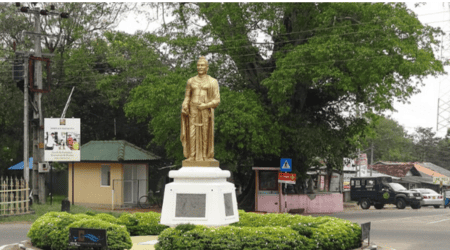
It lies along the A6 highway. So, it offers easy access to prominent landmarks, making it more than just a pit stop. Actually, it is an ideal place for adventure and discovery.
I’m of the view that Habarana is not a crowded city like Kandy or Colombo. It offers a more peaceful ambiance with lush greenery, rustic charm, and calm waters.
The land in and around Habarana is pure joy for any traveler, with towering forests, expansive paddy fields, and great lakes. Depending upon one’s whims, Habarana can offer tourist sites, animal kingdoms, or just plain calm serenity. Habarana welcomes you with open arms—and a whole lot of scenery.
Role in Sri Lanka’s Cultural Triangle
If Sri Lanka’s Cultural Triangle were a compass, Habarana would be its center. This unique positioning makes it a launchpad for visiting nearby UNESCO World Heritage Sites such as Sigiriya, Polonnaruwa, and Dambulla. Each of these cities tells a story about ancient Sri Lankan civilization, and staying in Habarana lets you experience all of them without constantly switching hotels.
Habarana has a cultural history that makes it more than just a convenient base. Old Buddhist traditions and village life that exist even now offer a feel of genuine Sri Lankan culture. It acts as the cultural nerve center for tourists wanting to experience the core value of what really makes Sri Lanka special. And the best part is that it is still a green field in terms of tourist destinations; you can enjoy all that value without getting elbowed through the masses.
How to Get to Habarana in Sri Lanka
By Road
The road trip to Habarana is a treat for those willing to take it. Due to the existence of the A6 highway, it can be easily accessed from Colombo, Kandy, and Trincomalee. It would normally take about 4.5 to 5 hours to drive from Colombo to Habarana, but the scenic beauty on this road makes every minute worthwhile. Running towards the direction of Kandy, it is around a 2.5-hour drive, in which case it is quite doable as a detour or a weekend stint.
One can also consider buses as an avenue for cheap vehicular travel. Regular public and private buses ply routes between Habarana and Colombo, Dambulla, and Anuradhapura. It’s not quite comfortable but cheap and has an insight into the local life. You may want to hire a private taxi or tourist van for an even more insightful experience.
By Rail
Trains from Colombo Fort to Habarana take about 6–7 hours but are quite affordable. If you’re not in a rush, this can be a great way to soak in the landscapes and slow down the pace of your journey.
The Habarana Railway Station is very small but functional; it links the village to Gal Oya junction and then to Colombo. Although train services are rare and might not be very frequent, the journey is truly scenic through Sri Lanka’s countryside, setting up a fascinating travel experience.
Nearby Airports and Transfers to Habarana in Sri Lanka
The nearest international airport is Bandaranaike International Airport (CMB) in Katunayake, about 170 km from Habarana. From there, you can book a taxi, rent a car, or even hop on a domestic flight to nearby airports like Sigiriya Domestic Airport if you want to avoid the long road journey. Airport transfers are commonly offered by many hotels and tour operators in Habarana and are often bundled into travel packages. It’s best to book these in advance to ensure a smooth start to your adventure.
Best Time to Visit Habarana in Sri Lanka
Seasonal Weather Overview
Habarana experiences a tropical climate, which means it’s warm and humid most of the year. To my knowledge, the best time to visit is during the dry season, from May to September.
So, during this season, the skies are clear, the wildlife is more active, and outdoor adventures are at their best. The average temperature is between 26°C and 30°C, making it perfect for exploring ruins, trekking, and safaris.
The monsoon season hits between October and January, bringing heavy rains that can make travel plans a bit tricky. Roads can become muddy, and some outdoor activities might be disrupted. Still, if you’re into photography or want to experience the lush, green side of Habarana, this season has its own charm—plus fewer tourists.

Events and Cultural Festivals
If you visit Habarana during a festival, it can completely change your experience.
The most significant Sri Lankan cultural event is Vesak Poya. It is celebrated in May, which commemorates the birth, enlightenment, and death of Lord Buddha.
Expect illuminated lanterns, devotional songs, and a deeply spiritual atmosphere.
Another event worth catching is the Elephant Gathering in nearby Minneriya National Park, usually occurring between July and October. Hundreds of elephants congregate around the reservoir—a spectacle that’s globally recognized and entirely awe-inspiring. Timing your trip around this natural phenomenon will reward you with once-in-a-lifetime sights.
Top Attractions in Habarana Sri Lanka
In Sri Lanka Habarana Lake
Habarana Lake, or “Habarana Wewa,” is the serene soul of the town. Originally built as an irrigation reservoir centuries ago, it now serves as a tranquil escape for both locals and tourists. Walks around the lake at sunrise or sunset offer breathtaking views and the chance to spot various bird species. The glassy surface of the water often reflects the crimson and gold skies, creating postcard-perfect scenes you won’t want to miss.
This lake is more than just a pretty face—it’s a hub for village tours, canoe rides, and even early-morning yoga sessions hosted by nearby resorts. If you’re lucky, you might spot elephants cooling off at the water’s edge. The calm and quiet here are addictive; it’s the kind of place where time slows down, and all your worries melt away.
Minneriya National Park Safari
Located just a 30-minute drive from Habarana, Minneriya National Park is one of the crown jewels of wildlife tourism in Sri Lanka. It’s best known for the Elephant Gathering, but there’s so much more to explore. The park is home to spotted deer, leopards, sloth bears, and over 170 species of birds.
A typical safari lasts about 3–4 hours and can be booked through hotels or local tour operators. You’ll ride in a 4×4 jeep with an experienced tracker who knows where to find the most action. The dusty paths, golden grasses, and roaming wildlife make for an exhilarating journey into the wild. Whether you’re a first-time safari-goer or a seasoned adventurer, Minneriya never disappoints.
Sigiriya Rock Fortress (Nearby)
Just 20 kilometers from Habarana junction lies the majestic Sigiriya Rock Fortress, a UNESCO World Heritage Site and one of Sri Lanka’s most iconic landmarks. Often called the “Eighth Wonder of the World,” Sigiriya is a massive rock column rising nearly 200 meters from the ground. Atop the rock sits the ruins of King Kasyapa’s ancient palace, complete with frescoes, mirror walls, and royal gardens.
Climbing Sigiriya is no walk in the park—it takes about 1.5 to 2 hours, depending on your pace—but the panoramic views from the summit are worth every drop of sweat. Early morning is the best time to beat both the heat and the crowds. It’s not just a climb; it’s a journey through art, history, and architecture all rolled into one.
Unique Wildlife Experiences Sri Lanka Habarana
Elephant Gathering at Minneriya
One of the most breathtaking natural spectacles in the world unfolds every year just minutes away from Habarana—the Elephant Gathering at Minneriya National Park. From July to October, as the dry season peaks, hundreds of wild elephants congregate around the Minneriya Tank in search of water and fresh grass. This annual event is considered the largest gathering of Asian elephants on the planet. And the best part? You get front-row seats when staying in Habarana.
Witnessing this phenomenon feels surreal. Imagine the ground trembling slightly as majestic herds, including calves and matriarchs, move together in near silence. Safari jeeps line the borders of the reservoir, and hushed whispers replace the usual chatter as everyone watches in awe. Photographers and nature lovers often describe it as a bucket-list experience—one of those rare moments when nature overwhelms you with its scale and beauty.
While elephants steal the show, the gathering also supports an entire ecosystem. Watch for water birds, reptiles, and monkeys making appearances along the way. If you’re a wildlife enthusiast, the Elephant Gathering will be the highlight of your trip.
Bird Watching in Habarana Forest in Sri Lanka
Bird lovers rejoice in Habarana in Sri Lanka, which is a hidden paradise for avian enthusiasts. The surrounding forests and wetlands are home to over 160 species of birds, including endemic and migratory species. From the vivid blue of the Indian roller to the melodic calls of the Sri Lanka junglefowl (the national bird), the biodiversity here is nothing short of astounding.
Early mornings are the best times for bird watching.
As dawn breaks, the forest awakens with chirps, songs, and flutters. You can either do some bird watching on your own with binoculars and a bird book or join a guided bird-watching tour in which expert naturalists identify rare birds and teach you the habits of birds in that area.
The forest trails are very tranquil and often deserted, offering you an immersive experience in nature.
You’ll spot herons near the lake, eagles circling overhead, and small, colorful birds darting between trees. Birding in Habarana isn’t just a hobby—it’s a meditative, almost spiritual experience that connects you deeply with nature.
Local Flora and Fauna
Habarana’s wildlife isn’t limited to elephants and birds; its biodiversity extends to lush forests, medicinal plants, and other fascinating animals. The region is part of Sri Lanka’s dry zone forest ecosystem, characterized by tropical dry mixed evergreen forests that host a variety of life forms. As you wander through the woods, you’ll notice trees like Kubuk, palu, and Ebony—all critical to local ecology and sometimes used in Ayurvedic medicine.
Keep your eyes open for monkeys, squirrels, mongoose, and even the occasional pangolin. Reptiles like monitor lizards and various snake species also inhabit these forests. If you’re into botany, you’ll love discovering native orchids, fragrant herbs, and unique creepers along the way.
Local guides often enhance this experience by sharing stories and traditional uses for many of the plants you’ll encounter. It’s not just a walk in the woods—it’s a deep dive into an ancient living system that has supported local communities for generations.
Cultural and Historical Richness
Ancient Cities Around Habarana Sri Lanka
Staying in Habarana Sri Lanka gives you convenient access to some of the most historically significant sites in Sri Lanka. Just a short drive away is Anuradhapura, one of the oldest continuously inhabited cities in the world. Explore ancient stupas like Ruwanwelisaya, marvel at the sacred Bodhi Tree, and walk the same paths once tread by kings and monks.
Equally impressive is Polonnaruwa, a city that once served as the second capital of Sri Lanka after the fall of Anuradhapura. Here, history comes alive through gigantic stone statues, preserved palaces, and centuries-old irrigation systems. The Gal Vihara, with its serene rock-carved Buddhas, is a must-see.
Habarana acts as your cultural gateway to these UNESCO World Heritage Sites. You can explore one city in the morning, be back for lunch, and head to another site in the afternoon. It’s an archaeological buffet for anyone curious about the island’s rich past.
Local Villages and Traditions in Habarana Sri Lanka
To truly understand a place, you must connect with its people. Habarana offers several opportunities to engage with local communities through village tours and cultural exchanges. These experiences are as enriching as they are humbling. You’ll ride a bullock cart through paddy fields, take a boat ride across a lake, and sit down for a meal prepared in a traditional mud hut kitchen.
Most tours include hands-on activities like learning to cook traditional Sri Lankan dishes, weaving palm leaves, or grinding spices on a stone mortar. You’ll also learn about the social structures, farming techniques, and spiritual practices that continue to shape rural life in Sri Lanka.
These immersive experiences not only foster understanding but also directly benefit the local economy. Your visit helps sustain village livelihoods and keeps age-old traditions alive. It’s travel with a purpose—and heart.
Adventure and Eco-Tourism
Jungle Trekking and Nature Trails
If you’re someone who likes to lace up your hiking boots and go exploring, Habarana won’t disappoint. The surrounding jungles are filled with trekking trails that lead you through dense forests, across streams, and up to vantage points with stunning views. Whether you prefer short nature walks or more intense hikes, there’s something for every fitness level.
You can join guided treks that focus on wildlife spotting, plant identification, or even photography. The guides are usually from local villages have a deep knowledge of the terrain. In my personal view, They enhance both safety and learning. Trekking in Habarana isn’t just about physical exercise—it’s about discovery.
There’s a magical quality to walking through these ancient forests, where you might stumble upon hidden ruins, old irrigation channels, or rare animal sightings. The sounds of chirping birds, rustling leaves, and distant monkey calls make the experience feel like something out of a nature documentary.
Hot Air Ballooning in Habarana Sri Lanka
Yes, you read that right—Habarana offers hot air balloon rides, and they are absolutely unforgettable. Imagine floating gently above forests, lakes, and temples as the sun rises over Sri Lanka’s cultural heartland. The colors of dawn light up the landscape, and for about an hour, you feel like you’re flying through a dream.
Flights typically take place early in the morning to catch the best weather conditions and most dramatic skies. Each ride includes safety briefings and a post-flight champagne breakfast (depending on the operator), making it a luxurious way to experience the countryside.
Though it’s one of the pricier activities in Habarana, hot air ballooning offers a unique perspective and a sense of wonder that you simply can’t get from the ground. Whether it’s your first time or your fiftieth, it’s a bucket-list adventure worth every cent.
Best Places to Stay in Habarana Sri Lanka
Luxury Resorts
Those who desire a bit of comfort and glamour amidst wild experiences will find some fine 5-star luxury resorts in Habarana that blend almost seamlessly with nature. Think infinity pools peering out into the jungle, spa treatments with locally-grown herbs, and gourmet meals prepared with fresh organic ingredients.
Resorts like Cinnamon Lodge Habarana, Habarana Village by Cinnamon, and Jetwing Lake set the bar high when it comes to hospitality.
These places offer not just rooms but full experiences. From guided nature walks and evening cultural performances to yoga sessions and traditional Ayurvedic massages, luxury in Habarana isn’t just about opulence—it’s about immersion.
The majority of the resorts also provide eco-friendly amenities, rainwater harvesting facilities, and solar energy use, making these resorts perfect for conscious travelers.
And service-wise, Sri Lankans conventionally treat you as family and will often undertake activities that exceed expectations in making your stay a truly personal one. Whether it is a honeymoon, an anniversary, or just a much-needed break, Habarana luxury resorts provide the perfect jungle getaway.
Budget Guesthouses
Are you Traveling on a budget? Habarana welcomes you with open arms. The village is dotted with charming guesthouses and homestays that offer clean, comfortable, and affordable lodging.
These budget accommodations often come with basic amenities like Wi-Fi, hot water, mosquito nets, and sometimes even home-cooked meals.
Staying in a guesthouse is a great way to connect with locals. Your host might take you on a village walk, invite you to share a meal with your family or help you plan your safari trips and cultural excursions. It’s a far more intimate experience than staying in a large hotel, and you often leave with stories and friendships that outlast your holiday.
Don’t expect luxury, but do expect warmth, authenticity, and great value for money. Some guesthouses also have beautiful gardens, small libraries, or even yoga decks, making them perfect little sanctuaries to unwind after a day of exploring.
Eco-Lodges and Nature Retreats
I think, For those who want to truly escape the concrete jungle and reconnect with the earth, Habarana’s eco-lodges are a dream come true. Built using sustainable materials like clay, bamboo, and thatched roofing, these lodges are nestled in the heart of the wilderness. You’ll fall asleep to the sound of crickets and wake up to birdsong.
Places like Back of Beyond Jungle Hideaway and The Other Corner emphasize sustainability, using solar power, organic gardens, and waste recycling. Many even avoid air-conditioning in favor of open-air living, natural ventilation, and cool stone floors. The goal? Minimal environmental impact, maximum peace, and serenity.
These retreats usually offer a variety of activities, such as forest meditation, bird-watching, and eco-workshops. It’s not just a place to stay—it’s a lifestyle to experience. If you’re looking to detox digitally and spiritually, these off-the-grid havens are the ideal spot.
Food and Dining in Habarana
Traditional Sri Lankan Cuisine
If you haven’t tasted a Sri Lankan rice and curry meal, you haven’t truly experienced Habarana. The local cuisine is a rich blend of spices, coconut, and tropical ingredients that hit every flavor note—sweet, spicy, sour, and savory. A typical meal includes red or white rice served with an array of side dishes such as dhal curry, coconut sambal, fried brinjal (eggplant), and chicken or fish curry.
Sri Lankans love their spices, but in Habarana, the food is also incredibly fresh—often made with vegetables grown just a few meters from the kitchen. Jackfruit curry, gotu kola sambal (a herb salad), and spicy pol sambal (coconut chutney) are local favorites you must try.
Vegetarians and vegans will find plenty to enjoy here, as many dishes are plant-based by tradition. Don’t forget to try the crispy hoppers for breakfast and sweet kiri pani (curd and treacle) for dessert. Every bite tells a story of tradition, climate, and family recipes passed down through generations.
Recommended Restaurants and Cafes
Habarana is a small town But it is culinary scene packs a flavorful punch. Dewata Villas Restaurant, Windy Corner, and Lucky Restaurant are among the top-rated spots for authentic local meals. These places serve home-style dishes in a cozy atmosphere—often open-air, with garden views or rustic furniture.
For something more upscale, resort restaurants like Cinnamon Lodge’s Ehala Restaurant offer refined dining experiences with a mix of local and international dishes. Some even offer live cooking stations where you can watch your meal come to life.
Want to try something quirky? Visit a “rice and curry buffet” eatery where you can mix and match a dozen curries for under a few dollars. And if you’re a coffee lover, stop by a local café for a cup of Ceylon brew and some banana fritters on the side.
Things to Do in and Around Habarana
Village Tours and Cooking Classes
Want to experience the real Sri Lanka? Sign up for a village tour. These guided experiences give you a front-row seat to rural life in Habarana. You’ll start with a bullock cart ride through the fields, followed by a canoe trip across a scenic lake, ending with a visit to a village home where locals greet you with smiles and fresh coconut water.
The best part? Participating in a cooking class where you learn to make authentic Sri Lankan dishes using traditional clay pots and firewood stoves. These hands-on experiences go beyond sightseeing—they’re about sharing, learning, and connecting.
You’ll also get to explore herbal gardens, learn how to grind rice flour, and maybe even join a farming activity if you’re up for it. These tours are family-friendly and help support local livelihoods while offering travelers unforgettable, soul-stirring experiences.
Ayurvedic Spas and Wellness Centers
After all the trekking, climbing, and exploring, you’ll probably want to relax—and Habarana has just the remedy. Ayurvedic wellness centers in the area offer everything from full-body oil massages to detox programs based on centuries-old herbal medicine traditions. Ayurveda, meaning “science of life,” aims to balance your body, mind, and spirit through personalized treatments.
You can enjoy treatments like Shirodhara (oil poured on the forehead), herbal steam baths, or Panchakarma detox therapy, all administered by trained practitioners. Resorts like Cinnamon Lodge and eco-lodges offer in-house Ayurvedic services, but there are also standalone wellness centers that specialize in these healing techniques.
What makes it even better? The use of organic herbs sourced from nearby forests and gardens. You’ll leave feeling refreshed, rejuvenated, and ready to take on the next adventure—or maybe just another nap by the lake.
Sustainable Tourism in Sri Lanka Habarana
Community-Based Tourism Initiatives
Sustainable tourism isn’t just a buzzword in Habarana—it’s a way of life. The region is deeply committed to promoting responsible travel through community-based tourism. Many village tours, homestays, and local experiences are designed to benefit the community directly. This means your tourist dollars go toward schools, infrastructure, and preserving traditional livelihoods.
One popular initiative is the Hiriwadunna Village Tour. locals guide you through their day-to-day life—farming, cooking, fishing, and handicrafts. These aren’t just performances; they’re genuine interactions that foster mutual respect and appreciation. Tour operators and NGOs work closely with residents to ensure they are fairly compensated and trained to provide quality hospitality.
By choosing these authentic experiences, travelers support local development and help preserve the culture and environment. It’s travel that feels good—and does good.
Conservation Projects and Volunteer Opportunities
Habarana is surrounded by national parks and biodiversity hotspots, making it a focal point for conservation. Several eco-projects focus on wildlife protection, reforestation, and environmental education. If you’re staying for a while or looking for a meaningful way to give back, consider joining one of the wildlife monitoring programs or reforestation projects.
Organizations like The Wildlife and Nature Protection Society and Environmental Foundation Ltd sometimes offer short term volunteer placements or collaborations. I have realised that From elephant tracking to building sustainable homes, your involvement can make a tangible impact.
Even as a short term visitor, small steps like using refillable bottles, avoiding plastic, and staying in eco-certified lodges help keep Habarana clean and green for generations to come.
Shopping and Souvenirs
Local Handicrafts
Want to take a piece of Habarana home with you? Look no further than its vibrant local handicraft scene. Artisans in the area produce beautiful, functional items using traditional techniques passed down for generations. From handwoven reed baskets to clay pots, every item tells a story rooted in culture and creativity.
You can also find batik fabrics, wood carvings, and hand-painted souvenirs—each unique, often made right in front of you. Some craft shops even allow you to watch artisans at work, adding a special appreciation for the skill and time invested.
By buying directly from artisans or at fair-trade shops, you’re supporting local artists and keeping traditional art forms alive.
What to Buy in Habarana in Sri Lanka
Not sure what to buy? Here’s a quick list of the best souvenirs to grab while in Habarana Sri Lanka:
- Spices: Local cinnamon, cardamom, and curry blends are aromatic gifts.
- Ayurvedic oils and balms: Made from native herbs, great for wellness lovers.
- Elephant-themed wood carvings: Inspired by the majestic creatures of Minneriya.
- Handmade jewelry: Often crafted from natural seeds, stones, or recycled materials.
- Coconut shell crafts: Eco-friendly and charming additions to your home.
Avoid items made from endangered species or questionable animal products—always buy ethically.
Travel Tips for Visiting Habarana in Sri Lanka
Language and Currency
The most widely spoken languages in Habarana in Sri Lanka are Sinhala and Tamil, though many people in the tourism industry also speak basic English. Learning a few Sinhala phrases like “Ayubowan” (hello) or “Istuti” (thank you) can go a long way in making connections.
As for money, the local currency is the Sri Lankan Rupee (LKR). Credit cards are accepted at resorts and major restaurants, but always carry some cash for local shops, tuk-tuks, and street vendors. ATMs are available in town, but it’s best to exchange currency or withdraw enough cash beforehand if you’re heading into remote areas.
Health and Safety Tips
Habarana is generally very safe, especially for tourists. Locals are friendly and helpful, and crime rates are low. Still, here are a few quick tips:
- Stay hydrated and use sunscreen—it gets hot!
- Drink bottled or filtered water to avoid stomach issues.
- Use mosquito repellent in the evenings, especially near water bodies.
- Wear proper footwear for trekking or safaris—flip-flops won’t cut it!
- Travel insurance is a smart idea, especially if you’re doing adventure activities.
Always check with your hotel for any local alerts or travel advisories.
Habarana in Sri Lanka Popular Culture
Documentaries and Media Coverage
Habarana’s natural beauty and cultural richness have attracted the lens of many filmmakers and travel journalists.
It frequently features in nature documentaries, especially those focused on Asian elephants and wetland ecosystems. Channels like NatGeo and BBC Earth have highlighted the Elephant Gathering in Minneriya, bringing global attention to the area’s ecological importance.
Some Sri Lankan travel influencers and YouTubers have also documented their adventures in Habarana, offering firsthand looks at village life, jungle treks, and spiritual experiences. Their vlogs give a real sense of what to expect and often inspire travelers to put Habarana on their bucket list.
Travel Blogger Experiences
Travel bloggers consistently rave about Habarana’s blend of accessibility, authenticity, and adventure. Many highlight the balance between culture and nature, noting how few places offer ancient cities, safaris, and local immersion all within a 30-minute radius.
Common themes in these blogs include the warmth of local people, breathtaking sunrises over the lake, and wild elephant sightings right from hotel balconies. Whether traveling solo, as a couple, or with a family, bloggers agree—Habarana is a place that leaves a lasting impression.
Conclusion
Habarana is one of the rare places where everything seems to come together effortlessly—nature, culture, history, and hospitality.
Whether you’re gazing at elephants in the wild, climbing ancient rock fortresses, learning to cook spicy curries in a village hut, or simply enjoying a sunset by the lake, every moment in Habarana feels genuine and unhurried.
It may not have the glitz of big cities or the beaches of the south coast, but what Habarana offers is something far more enduring: authenticity, serenity, and a deep connection to the land and its people. It’s not just a destination—it’s an experience. And one that will likely call you back again and again.
FAQs
1. What is Habarana famous for?
Habarana is best known as a central base for exploring Sri Lanka’s Cultural Triangle and for its proximity to Minneriya National Park, where the world-famous Elephant Gathering takes place.
2. Is Habarana safe for tourists?
Yes, Habarana is considered very safe for tourists. The local community is welcoming, and crime rates are low. Just follow standard travel precautions.
3. Can you do a day trip to Sigiriya from Habarana?
Absolutely! Sigiriya Rock Fortress is only about 20 km away, making it perfect for a half-day or full-day excursion from Habarana.
4. What wildlife can be seen in Habarana?
Apart from elephants, Habarana offers sightings of monkeys, deer, wild boar, various reptiles, and over 160 species of birds. Safaris and jungle walks provide excellent opportunities for spotting them.
5. Is Habarana suitable for family travel?
Yes, it’s ideal for families! The activities—safaris, village tours, lake walks—are family-friendly, and many accommodations offer family rooms and child-focused services.