

My Visit to Matale Aluviharaya in Sri Lanka: A Complete Travel Guide
Exploring Matale Aluviharaya in Sri Lanka Like a True Traveler
Last year, I took a trip that changed how I see ancient places forever. Matale Aluviharaya in Sri Lanka became one of my favorite spots on the island. This rock temple sits about 30 kilometers from Kandy. It holds thousands of years of Buddhist history inside its cool cave walls. Let me share everything I learned and felt during my visit. I’m of the view that every traveler should add this place to their Sri Lanka list.
What Makes Matale Aluviharaya in Sri Lanka So Special?
The Aluvihara Rock Temple stands out because it played a huge role in preserving Buddhist teachings. Monks wrote down the entire Tripitaka here for the first time around 2,000 years ago. That makes this cave monastery one of the most important religious sites in Asia.
Walking through the caves felt like stepping back in time. Each cave tells a different story through paintings and statues. In my opinion, the artwork inside these rock chambers is stunning. Some paintings show scenes from Buddhist stories. Others warn about bad behavior in very graphic ways. Furthermore, the natural rock formations around the temple add to the magical feeling.
I noticed how the giant boulders lean against each other. They create natural shelters that monks used for meditation centuries ago. My personal experience is that the silence inside these caves brings a sense of peace. Even on a busy day, something about the thick rock walls blocks out the noise.
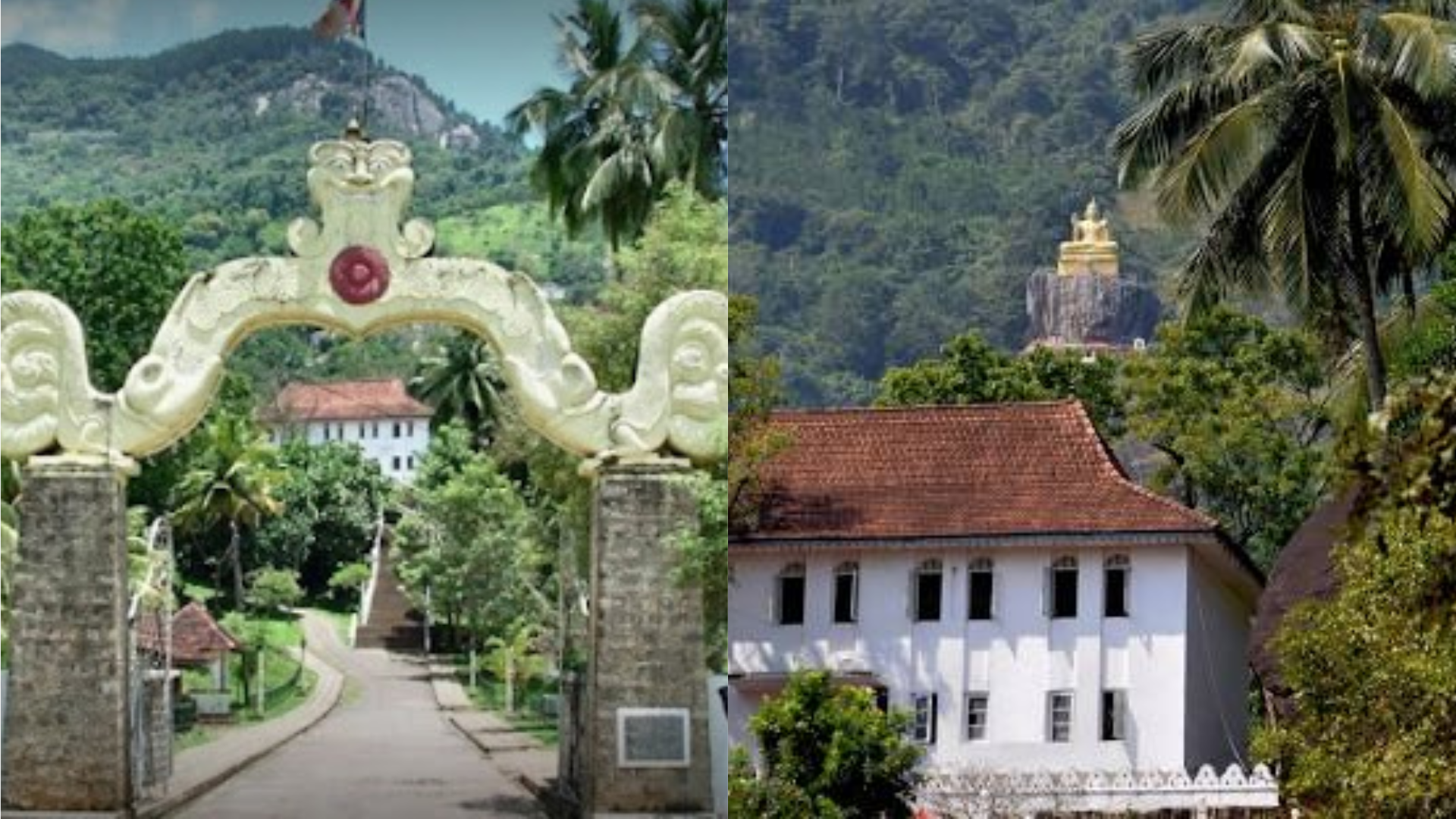
Ancient Caves Worth Exploring
The Matale Aluviharaya in Sri Lanka temple complex has several caves to visit. Each one serves a different purpose. One cave holds a large reclining Buddha statue that stretches across the entire space. Another cave contains shelves of palm leaf manuscripts. I spent a long time looking at these old texts. The writing on dried palm leaves amazed me. Moreover, the monks who live here were happy to explain the history.
A small cave near the entrance shows painted scenes of Buddhist hell. These images are quite intense. Young visitors might find them a bit scary. As a result, parents should prepare their kids before entering that particular chamber. Either way, the art quality is remarkable for something so old.
The Sacred Rock Monastery’s Rich History
This Buddhist heritage site has survived many challenges over the centuries. Foreign invaders damaged parts of the temple long ago. In addition to that, natural disasters also took their toll. Yet the local community always rebuilt and restored it. I found this story of survival very inspiring. The dedication of Sri Lankan people to their cultural treasures impressed me deeply.
During my visit, a senior monk told me about the restoration work. German and Sri Lankan scholars worked together to preserve the manuscripts. So let me explain why this matters. Without this temple, important Buddhist texts might have been lost forever.
How to Get to the Matale Aluviharaya in Sri Lanka
Reaching this famous rock cave temple is quite easy from most parts of central Sri Lanka. The site sits right along the Kandy-Dambulla road. Buses run frequently from both cities. A tuk-tuk from Matale town takes only about fifteen minutes.
I traveled from Kandy in Sri Lanka by public bus. The ride took roughly one hour. Green hills and spice gardens lined the road the entire way. My personal experience is that the journey itself felt like an adventure. The bus dropped me right near the entrance. From there, a short walk brought me to the ticket counter.
Entrance fees are very affordable. Foreign visitors pay a small amount. Local visitors pay even less. I’m of the view that this place offers incredible value for what you see. Parking is available for those who drive. Furthermore, the roads leading to the site are well maintained.
Best Tips for Visiting This Historic Cave Matale Aluviharaya in Sri Lanka
Plan your visit during morning hours for the best experience. The Matale in Sri Lanka district gets hot in the afternoon. Morning light also makes the cave paintings look more vivid. Wear comfortable shoes because some paths have uneven stone steps.
I learned a few things the hard way during my trip. First, bring water with you. There are limited shops nearby. Second, dress modestly since this remains an active place of worship. Cover your shoulders and knees. Remove your shoes before entering any cave. Additionally, keep your voice low inside the sacred spaces.
Photography rules vary by cave. Some caves allow photos freely. Others restrict it to protect the old paintings. Always ask before snapping pictures. In my opinion, putting the camera down sometimes helps you enjoy the moment more.
Nearby Attractions Around Matale Aluviharaya in Sri Lanka District
After exploring the rock temple, I visited a spice garden close by. Matale is famous for its spice plantations. Cinnamon, pepper, and cardamom grow everywhere here. The garden tour added another fun layer to my day trip. Moreover, the Knuckles Mountain Range sits nearby for nature lovers.
Several local restaurants serve traditional Sri Lankan rice and curry. I had one of the best meals of my entire trip just down the road. The food was fresh and very affordable.
Why I Recommend This Buddhist Heritage Site Matale Aluviharaya in Sri Lanka
Every traveler visiting Matale Aluviharaya in Sri Lanka should experience this ancient cave monastery. The combination of history, art, and spirituality creates something truly unique. My personal experience is that this sacred site left a lasting mark on my heart.
I’ve visited temples across Asia. Yet few match the historical weight of this place. The story of monks preserving sacred texts here still gives me chills. As a result, I rate this among the top cultural attractions on the island.
FAQ:
Question: Is the Aluvihara Rock Temple suitable for children?
Answer: I took my nephew there. Most caves are fine for kids. However, one cave has scary paintings of punishment scenes. I suggest parents check that cave first before bringing young children inside.
Question: How much time should I spend at this Matale temple site?
Answer: In my opinion, two hours gives you enough time. I spent about ninety minutes exploring every cave. That felt right without rushing through anything important.
Question: What is the best time of year to visit?
Answer: I went during January and the weather was perfect. My personal experience is that the dry season from December to April works best. Rain can make the stone steps slippery.
Question: Do I need a guide for the cave temple visit?
Answer: Guides are available at the entrance. I hired one and found it very worthwhile. The guide explained details about the paintings that I would have missed completely on my own.
Question: Can I combine this visit with other nearby attractions?
Answer: Absolutely. I combined my trip with a spice garden tour and a visit to Matale town. Furthermore, Dambulla and Sigiriya are close enough for a full day of sightseeing in the region.